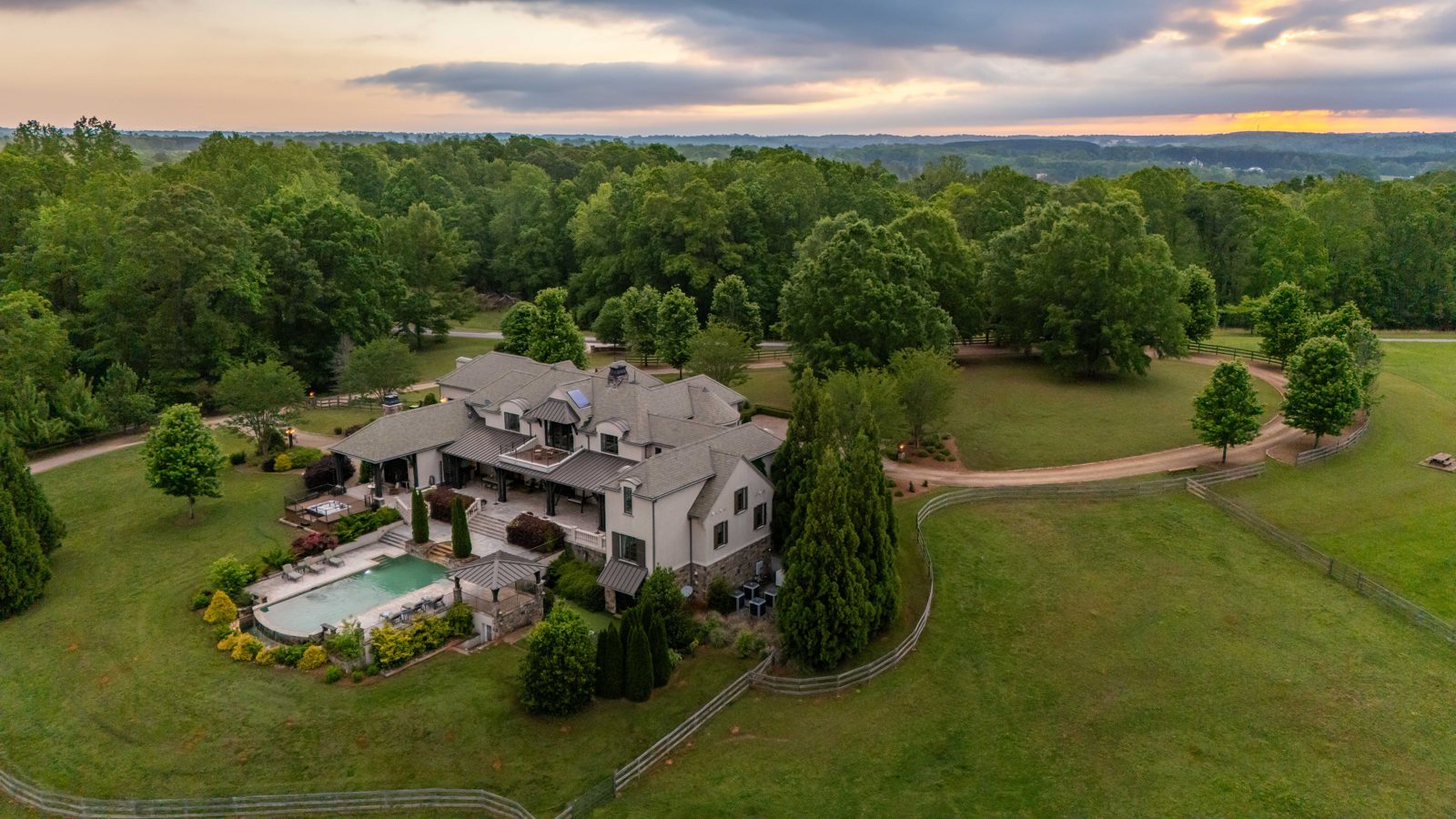
Two markets where buying an estate means joining an actual culture: a world-class show center in the Blue Ridge foothills, and a 140-year-old winter polo colony.
The full guide, every community and its Southern Escapes Score, as a private PDF to keep, print, and mark up. Delivered by email.
Complimentary. Private list. Never resold. Skip the email, open the PDF.
This is the part of the map most relocation guides skip, and the part the Damian Hall Group knows best: the Southern equestrian corridor, where the amenity is not a clubhouse but a working horse culture. Two markets define it, an hour and a half apart, and they suit different riders.
Tryon and Landrum, on the Carolina state line, are built around the Tryon International Equestrian Center, a world-class show facility in the foothills. Aiken, two hours south, is an aristocratic Thoroughbred and polo town with a winter-colony tradition that predates almost everything else on these pages. Neither is a gated luxury subdivision, and that is the appeal.
Where serious horse money lives when it is not in Wellington, anchored by a $100M international show center in the Blue Ridge foothills.
The Tryon and Landrum corridor straddles the North and South Carolina line at the foot of the Blue Ridge, rolling pastures with the low summer humidity that elevation buys and a full operational ecosystem of vets, farriers, and trainers. The Tryon International Equestrian Center, opened in the mid-2010s, put it on the global map: five hundred-stall barns, FEI-level competition footing, and a calendar that runs from the spring three-day event through fall, with free admission to most shows, which keeps the culture closer to a village than a velvet rope.
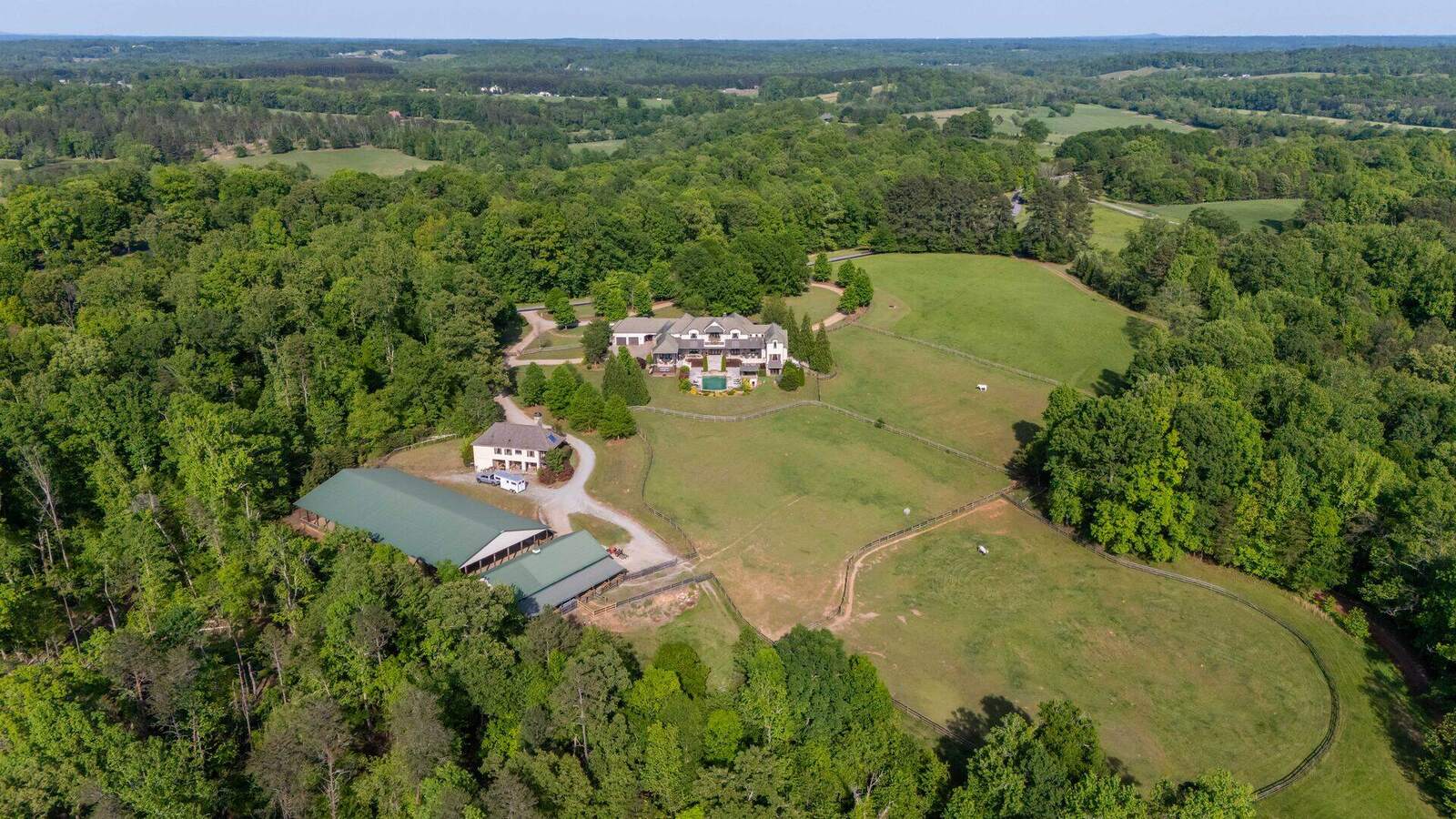
This is acreage, not a subdivision. Working farms on the North Carolina side run from roughly $500K, while the Landrum side commands higher per-acre pricing for its proximity to the center, with turn-key arena properties from $1M to $2M and professional facilities above that. The trade is rural: Charlotte is ninety minutes and you are not walking to dinner. For a working equestrian who wants to hack to a five-star venue, the value against Wellington or Middleburg is the whole story.
Saturday Night Lights is free, the falls just reopened, and the diner at the horse park does breakfast right.
Breakfast at Roger's Diner inside Tryon International, then watch the morning schooling rings; the horse park is open to the public and better than most people expect.
FENCE, the Foothills Equestrian Nature Center, for five miles of trails, or Pearson's Falls in Saluda, newly reopened after its post-Helene restoration.
Saturday Night Lights at Tryon International: free admission, festivities from five, Grand Prix jumping under the lights at seven, June through October.
Legends Grille at the horse park for the steakhouse night, Brooks Tavern in downtown Tryon for the local one. The Purple Onion in Saluda pairs dinner with live music.
Landrum's Saturday farmers market, April through December, if you time it right, the antique row either way, then the Saluda Grade on US 176 for the drive home.
The most aristocratic horse town in America, where Thoroughbreds train on sand and polo has been played since 1882.
Aiken's equestrian heritage is institutional, built by Northern families who wintered here from the 1880s for the mild climate and the famous Aiken sand that gives Thoroughbreds ideal footing. The historic training track still runs September through May, Whitney Field is the oldest continuously used polo venue in the country, and Hitchcock Woods is a twenty-one-hundred-acre urban forest laced with riding trails. The Horse District, walking distance to all of it, is the epicenter, and Augusta National sits just seventeen miles away.
The broad county equestrian market averages near $950K, with in-district homes and turn-key five-acre setups generally $1M to $2M and professional training facilities above $3M. Aiken prices rose double digits year over year into 2026, helped by South Carolina's favorable tax climate and no Helene overhang. The honest notes: it is flat and hot June through September when the horse crowd thins, and the social culture has its own codes. For a Thoroughbred or polo buyer who wants a real, layered horse community, Aiken is the most authentic address in the Southeast.
A town where the horse still sets the clock, and the golf club has MacKenzie greens.
Hitchcock Woods, 2,100 acres and seventy miles of sandy rides and walks, the largest private urban forest in the country. In training season, the track works horses from seven.
Palmetto Golf Club, founded 1892, greens redesigned by Alister MacKenzie, clubhouse by Stanford White. One of the great unspoiled rooms in American golf.
The Alley downtown: Market in the Alley, the taproom's forty-eight taps, and Equine Divine on Laurens for sporting art. New Moon Cafe has roasted its own since 1995.
Dinner at The Willcox, the 1898 inn that has hosted Astors and polo strings alike; Lanky's on Laurens is the newer, looser room.
Polo at Whitney Field, Sundays in the spring and fall seasons, ten dollars at the gate, then the South Boundary oak canopy on the way out of town.
The weekly letter behind these scores: the markets, the residences, and the slower returns of moving to the Southeast. Three minutes, read with a coffee.
Welcome aboard. Check your inbox for the welcome note; the next letter lands soon.
Complimentary. Unsubscribe in a click. We do not share the list.
Before you tour a single home, an Advisory Conversation tells you which of these communities actually fits the life you are trying to build, and what the move is worth under the new Carolina tax math.