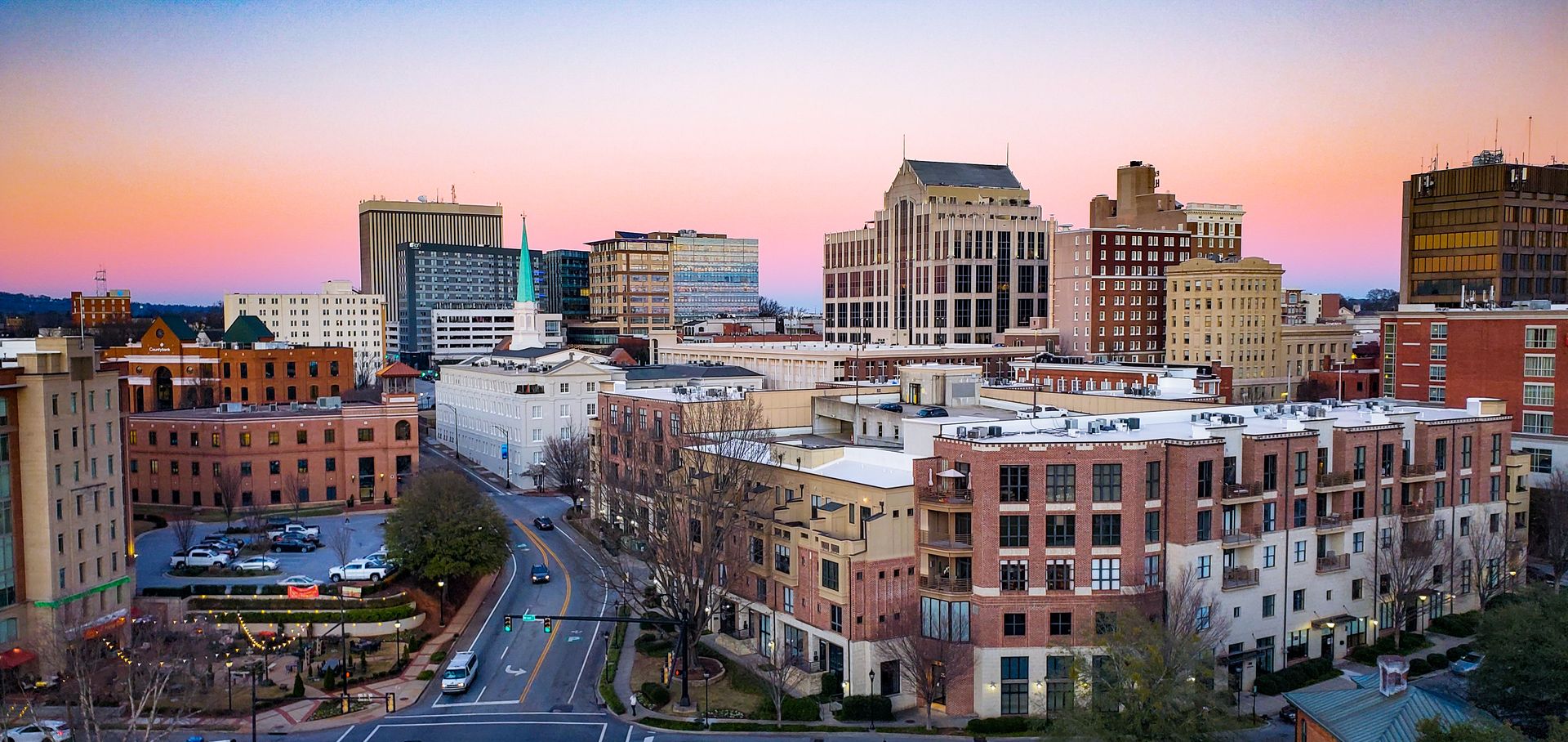
A million-person metro with a walkable downtown, three mountain golf clubs above it, and two very different ideas of the good life at the valley floor.
The full guide, every community and its Southern Escapes Score, as a private PDF to keep, print, and mark up. Delivered by email.
Complimentary. Private list. Never resold. Skip the email, open the PDF.
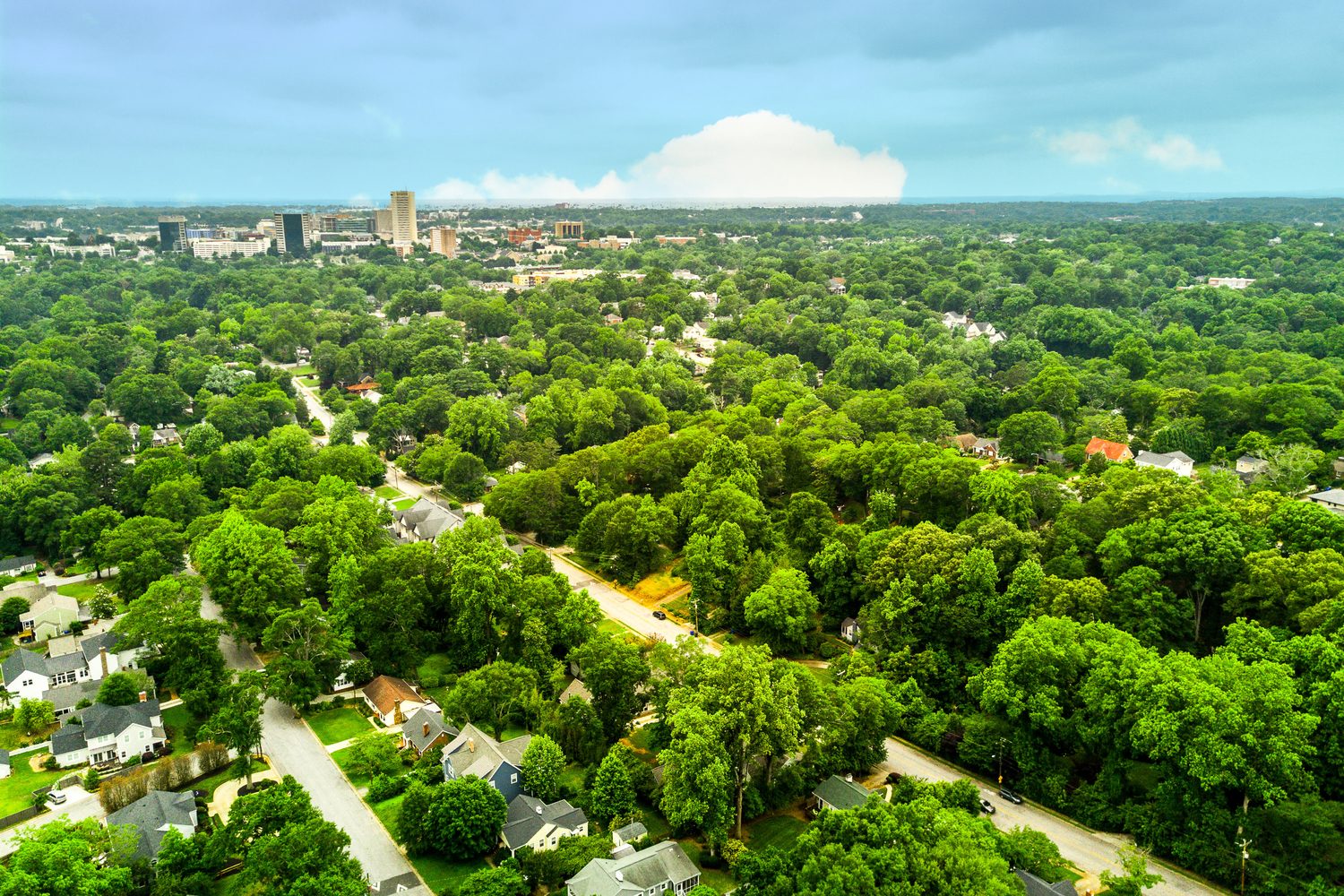
Greenville crossed one million residents in its metro this cycle, the first South Carolina metro to do it, and its downtown is the quiet envy of the Southeast. The luxury map splits cleanly: climb the Blue Ridge escarpment for the Cliffs mountain clubs, or stay at the valley floor for club and village life minutes from Main Street.
The three mountain clubs share the Cliffs membership and the cool-summer, long-view lifestyle. Thornblade and Hartness answer a different question entirely, for the buyer who wants downtown in fifteen to twenty minutes and is willing to trade altitude for it. And for the buyer who wants the city itself, downtown and its historic ring close the guide, described rather than scored, because they are neighborhoods, not clubs.
South Carolina's only mountaintop golf community, where a 3,200-foot perch does what no amenity budget can buy.
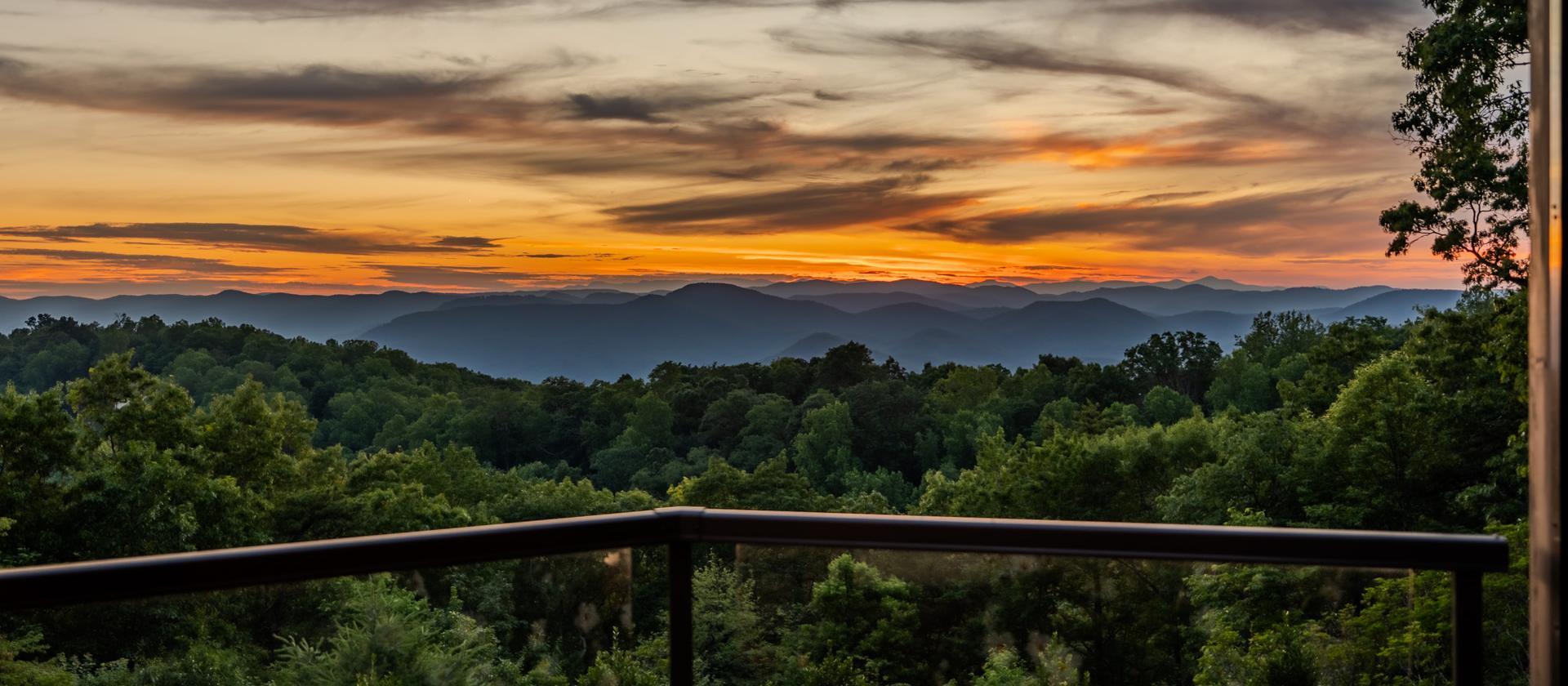
Glassy sits on top of Glassy Mountain above Landrum, the only mountaintop golf community in the state. Summers run cooler than the valley, the views reach seventy-five miles on a clear day, and a mountain-edge chapel and weekly member gatherings give it a tight, almost cult-like social culture. The Tom Jackson course includes a par-three thirteenth that has landed on national lists of the most scenic holes in America.
Homes run from roughly $800K to $4M-plus, with homesites from the low six figures. As a Cliffs club it opens all seven communities. The honest cost is the mountain itself: Greenville is a thirty-minute minimum, the roads demand respect in winter ice, and resale runs at a patient pace. You buy here for the setting, and the setting delivers.
Saturday on the mountain, Sunday in Landrum, and the long view the whole way through.
Coffee on the porch while the valley fog burns off, then an early round on the mountaintop course. The par-three thirteenth plays off the cliff edge and has made national lists of the most scenic holes in America; the seventy-five mile view is included.
Walk the community trails to Glassy Chapel and stay for the overlook. This is the hour photographers drive up for.
Down the mountain to Landrum for The Hare & Hound, or make the thirty-minute run to Hall's Chophouse on Main Street in Greenville when the occasion calls for it.
Landrum's farmers market runs Saturday mornings year-round, forty-plus vendors, and the town's antique row rewards an unhurried hour.
Drive Highway 11, the Cherokee Foothills Scenic Byway, to the Caesars Head overlook, then lunch at Southside Smokehouse in Landrum, second-generation and better than it has any right to be.
The largest and most established Cliffs mountain club, with a Ben Wright course and the best valley access of the three.
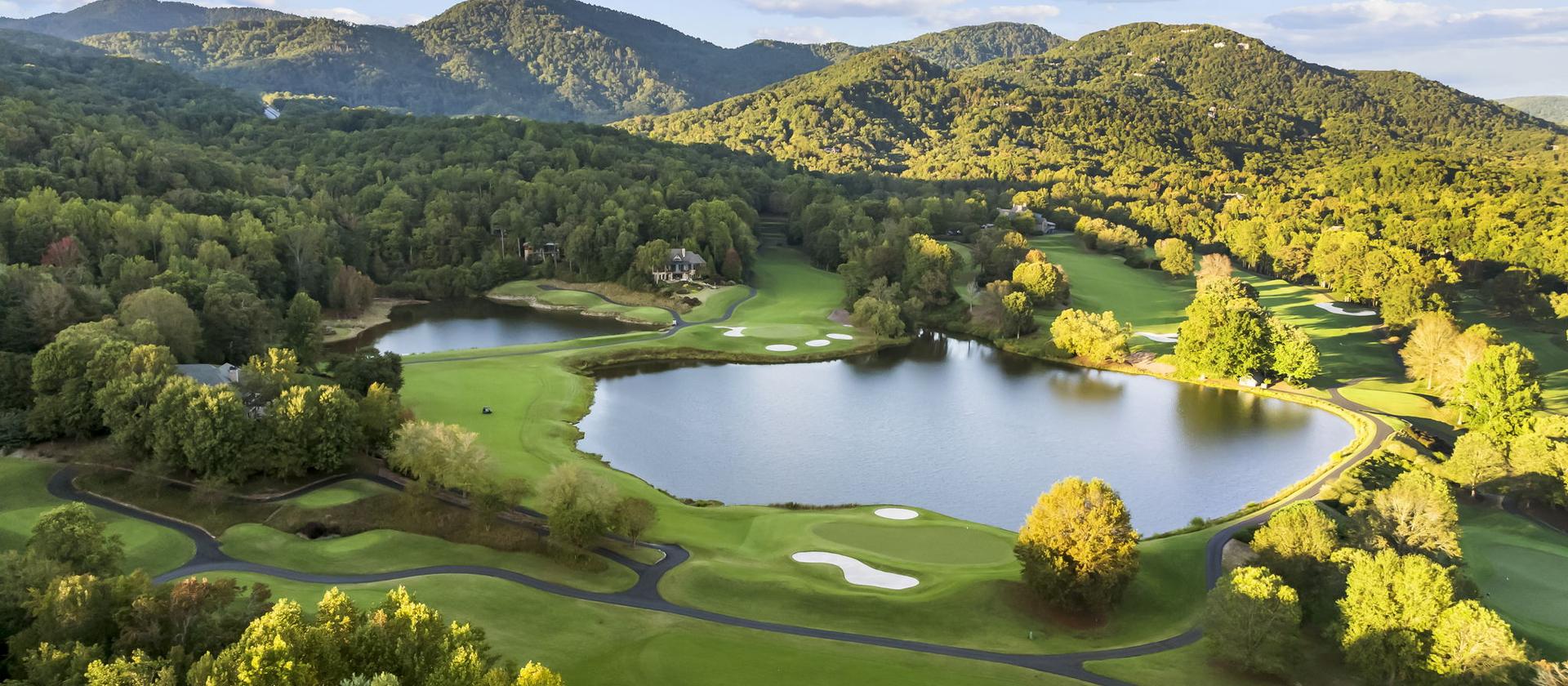
Valley sits in the Blue Ridge foothills above Travelers Rest, which has become a destination town in its own right with the Swamp Rabbit Trail, breweries, and a real restaurant strip. The community is the largest of the Cliffs mountain clubs, with big lots in mountain, golf, creek, and waterfall settings, and a Ben Wright course, opened in 1995, as the headline. It carries a mature, established feel and a full social calendar.
Homes run from the $700s into the seven figures. The location is the edge: roughly twenty to twenty-five minutes to downtown Greenville and minutes to a walkable town, which is rare for a mountain club. As with all Cliffs addresses, model the membership and HOA carry together. For a buyer who wants the Cliffs lifestyle without surrendering quick access, Valley is the balanced pick.
Michelin lists Travelers Rest now. The bike trail got there first.
Roll onto the Swamp Rabbit Trail from Travelers Rest with coffee and a crepe from Tandem Creperie before the day heats up.
Cliffs Valley, Ben Wright's first American design, par 72 through the mountain valley. Play it early and the fog is still in the trees.
Swamp Rabbit Cafe & Grocery for local produce, bread, and the kind of butcher counter that changes your Sunday plans.
Topsoil in Travelers Rest, Michelin recommended, James Beard semifinalist chef, dinner Thursday through Saturday. Book it before you tell your guests.
US 276 up to Caesars Head State Park for the overlook, then back down the mountain for brunch at Tandem if the crepe line moved you.
The newest Cliffs club in the Upstate, built around a Gary Player Signature course ranked among the state's best.
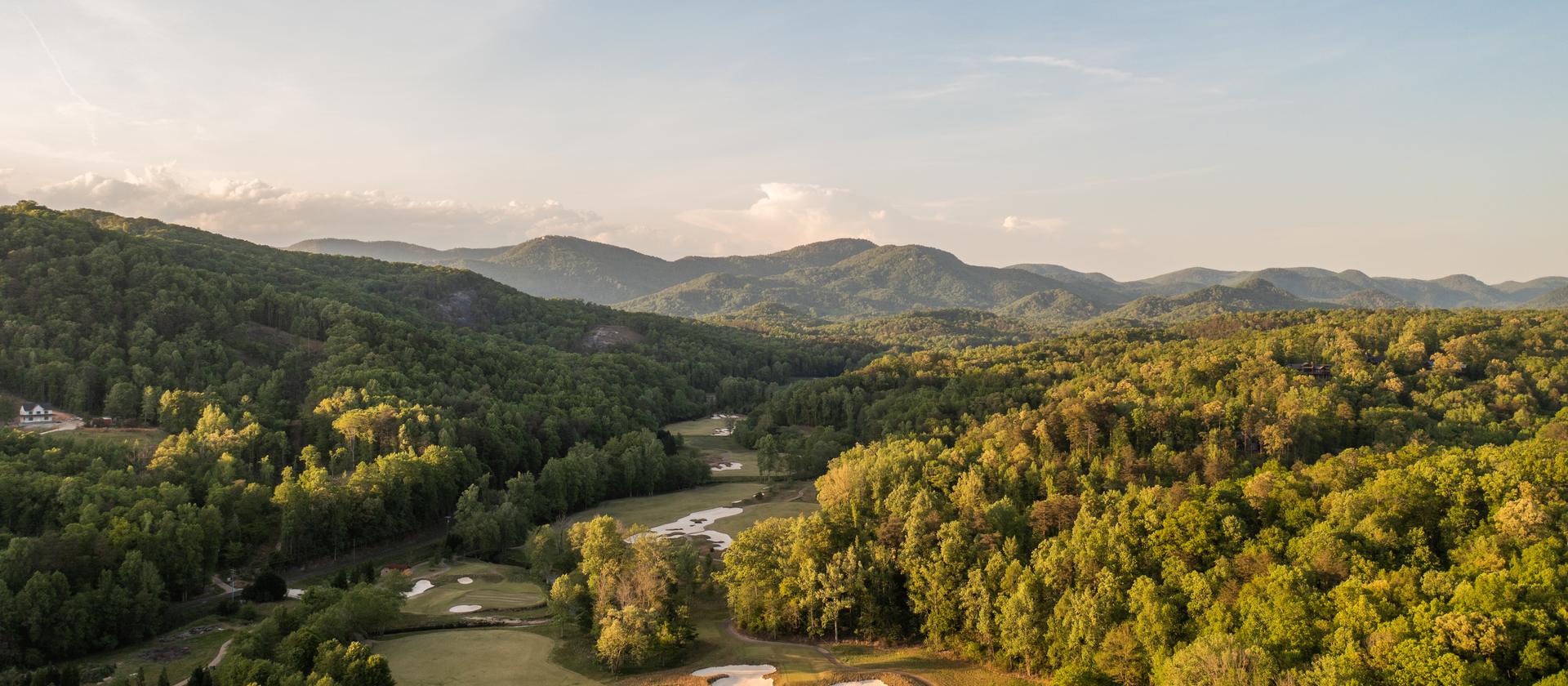
Mountain Park, along the North Saluda River in Marietta, opened its Gary Player Signature course in 2013, making it the youngest Cliffs course in South Carolina with the newest infrastructure. It plays as a more open, links-style test, the most demanding of the Upstate Cliffs trio, and Golf Digest has ranked it among the best in the state. A smaller enclave called Golf Ridge offers semi-custom, lock-and-leave homes for buyers who want the golf without a big lot or a long build.
Pricing spans a wide band, from undeveloped lots into the mid-seven figures for estate homes. It is the smallest-feeling of the three mountain clubs but carries full Cliffs network access and a shorter drive to Greenville than Glassy. For a serious golfer who wants modern bones and a Player course, this is the one.
Gary Player's course in the valley, a Michelin star twenty minutes away.
The Gary Player course, tied for eighteenth in South Carolina in Golf Digest's 2025 Best in State ranking, walks easier than mountain golf has a right to. The North Saluda runs right through the property.
Jones Gap State Park is the natural neighbor: river trail, swimming holes, and enough shade to forgive August.
TD Saturday Market in downtown Greenville, May through October, eight to noon, seventy-plus vendors.
Scoundrel, downtown Greenville, the city's first Michelin star. The counter seats are the ones you want.
The SC 11 loop past Table Rock, windows down, with a stop at the overlook to understand why the road has its own name.
The Upstate's most prestigious in-town golf club, Tom Fazio greens and tour pedigree, fifteen minutes from downtown.
Thornblade is woven into the established neighborhoods of Greer, a Tom Fazio course maintained to tour standards thanks to decades hosting the BMW Charity Pro-Am. Lucas Glover grew up playing here and the Haas family home overlooks the sixth green. This is not a gated wilderness escape; it is an integrated suburb where club membership, eleven tennis courts, a pool, and a near-full dining room are the differentiators. Membership is separate from owning, which gives buyers flexibility.
Homes range from the $400s to $1.5M-plus, with townhomes and villas providing a lower entry. The setting is the trade: lots are small and the views are neighborhood, not mountain. What you buy instead is location, fifteen minutes to downtown Greenville, the airport, BMW, and Furman, plus a genuinely liquid resale market that mountain communities cannot match.
Fazio golf, a founder named Jay Haas, and Greer Station finding its stride.
Breakfast in Greer Station, then eighteen at Thornblade, the Tom Fazio design that hosted the BMW Charity Pro-Am for nearly two decades. The club is the neighborhood's living room.
Lake Robinson, Greer's quiet reservoir, for a paddle or a picnic, or the Swamp Rabbit Trail if the legs want miles.
Campbell's Covered Bridge in Gowensville, the last covered bridge in South Carolina and a five-minute detour that feels like fifty years.
Jianna on Main Street downtown, Michelin recommended, or Hall's Chophouse when it is a steak night.
Trade Street Social in Greer Station: brunch, a golf simulator if the weather turns, and a walkable old rail town around it.
Greenville's only New Urbanist village, a walkable town with a boutique hotel, an acclaimed restaurant, and a 180-acre preserve.
Hartness is a traditional-neighborhood development on the Eastside, built on the Hartness family's old farmland: front porches, alley garages, a walkable village center, and roughly forty percent of the land kept as a 180-acre preserve with ten miles of trails. The on-property Hotel Hartness and its restaurant, Patterson Kitchen and Bar, are the rare amenities that draw outside visitors and have collected Wine Spectator and OpenTable recognition. There is no golf course, and that is the point, or the dealbreaker, depending on the buyer.
The Hartness film · three minutes inside the village
Homes run from around $799K for cottages to roughly $4.5M for grand estates, twenty minutes from downtown. Amenity access generally comes with ownership rather than a six-figure initiation, and a wine house and additional village tenants are opening in 2026. For a design-forward buyer or an empty-nester who wants a hotel and a great table at the end of the street, nothing else in Greenville is close.
The village model, working: trails out the back door, a hotel table worth dressing for.
Fifteen miles of community trails through the 180-acre preserve; Hotel Hartness keeps loaner bikes if guests are in tow.
The spa at Hotel Hartness, six treatment rooms, or a slow hour at the Village Center.
Patterson Kitchen + Bar at Hotel Hartness, chef Michael Bowens, on the pondside porch at golden hour. The One5 in the Village Center covers the casual nights.
M. Judson Booksellers downtown, the best-curated shelves in the Upstate.
Falls Park and the Liberty Bridge downtown, then home the back way through the east side's horse country.
For the buyer who wants the city itself: a condo on Main, or a house in one of the old neighborhoods that walk straight into it.
Every score above rates a club. These are neighborhoods: no gate, no clubhouse, no initiation. The pillars that reward a fairway and a guardhouse would punish exactly what this side of Greenville does best, so we describe it instead of ranking it.
Downtown in seventy-six seconds, on foot. Filmed in 2024, twelve years after I moved to Heritage.
Greenville rebuilt its downtown around Falls Park and the Reedy, and the result is a Main Street people actually live on. Condos and lofts sit on and just off Main and in the West End, with the Saturday Market, Fluor Field and the Swamp Rabbit Trail inside a short walk. Step a few blocks out and the city's oldest neighborhoods begin, several of them local historic districts, with deep porches, old trees and streets that run straight back into town.
The trade is plain. There is no gate, no golf course and no club, and the lots are city lots. What you buy is the walk: dinner, the market and the trail without the car, and in the historic districts, a street whose exteriors answer to the city's Historic Review Board. For where the negotiating room sits in the in-town price bands, read our Field Note on Greenville's luxury negotiating window.
Downtown, then the ring around it, and the house each one is known for.
Condos and lofts on and just off Main Street and around Fluor Field. The lock-and-leave answer: the Saturday Market under the window, Falls Park a few blocks away, and Unity Park, the sixty acres the city opened on the Reedy in 2022, close by.
One of Greenville's oldest neighborhoods, starting at Stone Avenue and running north. Historic homes, many of them renovated, alongside newer infill, on streets that walk straight into downtown.
The historic heart of North Main, laid out on Colonel Elias Earle's early nineteenth-century estate and built up mostly between 1915 and 1930: Colonial Revival, Tudor Revival, Neo-Classical and bungalows on a uniform setback. Whitehall and the Earle Town House, both from the early 1800s, still anchor it.
One of the city's oldest residential neighborhoods and, in the state's own register, Greenville's finest remaining area of Victorian architecture: about seventy structures from roughly 1890 to 1930, Queen Anne, Italianate and Gothic Revival among them, plus the McBee House from around 1835. It was Greenville's first trolley neighborhood; service began in 1901.
Bungalow streets between Hampton-Pinckney and East Park, on what was once a vineyard and dairy, later the home of Greenville's Greek community. St. George Greek Orthodox Cathedral still anchors it. It is also home: I have lived in Heritage since 2012.
Just east of downtown and the largest of the city's historic districts. Built from 1890 to 1930, most of it after 1910: Queen Anne, Colonial Revival and bungalows under old trees.
On the east side. East Park wraps McPherson Park in Craftsman, American Foursquare and Tudor houses. Overbrook, laid out in 1913 along the old trolley line, is Craftsman bungalows end to end.
First built out in the 1920s just south of downtown. Not a designated district, but the stately one: big houses, sidewalks and tree-lined streets, and among the more sought-after addresses in the city.
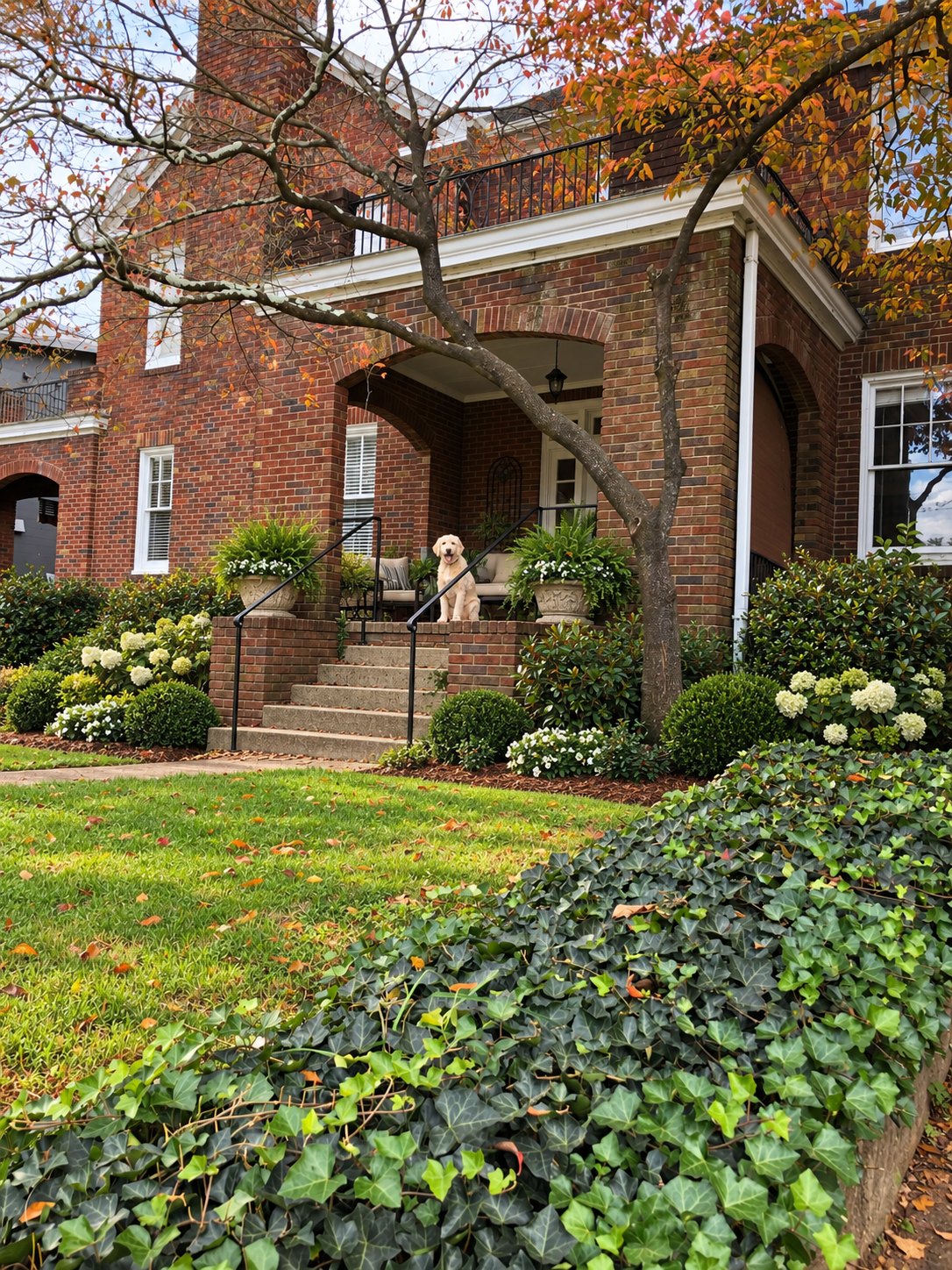
The whole weekend inside a square mile, and the dinner you book a month out.
Coffee at Methodical on Main, then the TD Saturday Market, which runs the length of Main Street on Saturday mornings from May to October. Walk down into Falls Park and out onto the Liberty Bridge over the falls.
The Swamp Rabbit Trail out of downtown on a bike, or the West End galleries and, from April to September, the Greenville Drive at Fluor Field.
Scoundrel on North Main, Greenville's first Michelin star; its Resy book opens at the start of each month for the month after, so plan ahead. Or Enlō, Chef Nico Abello's tasting menu over the Reedy, or Passerelle and Jianna for a table above the falls.
Walk the historic districts while the streets are quiet: Hampton-Pinckney's Victorians, then up through North Main's 1920s blocks.
The weekly letter behind these scores: the markets, the residences, and the slower returns of moving to the Southeast. Three minutes, read with a coffee.
Welcome aboard. Check your inbox for the welcome note; the next letter lands soon.
Complimentary. Unsubscribe in a click. We do not share the list.
Before you tour a single home, an Advisory Conversation tells you which of these communities actually fits the life you are trying to build, and what the move is worth under the new Carolina tax math.